

Technology
China has already developed 6G technology
China has developed the world’s first 6G field test network, which integrates communication and artificial intelligence, demonstrating that 6G transmission capabilities can be achieved using
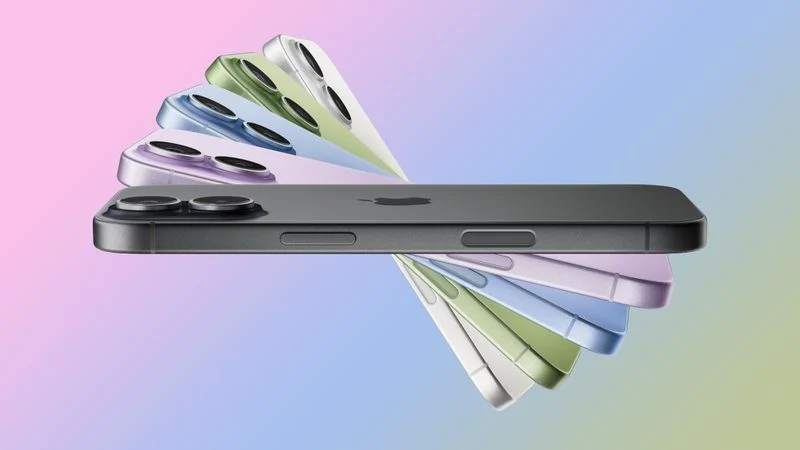
Apple’s Fall 2025 announcement, the debut of the iPhone 17 series, was not just a routine facelift but a strategic shift in the history of the Cupertino giant. The form factor and product lineup, familiar since the iPhone 12, have undergone a significant transformation. In this detailed analysis, we will review all models, technical specifications, market positioning, and manufacturing background.
The biggest change in the iPhone 17 family was the discontinuation of the “Plus” model. Sales data for years indicated that customers were looking for either the most affordable entry-level model or the all-powerful Pro versions. The middle-tier Plus model—large screen but limited capabilities—found itself in a vacuum.
Its place has been taken by a completely new concept: the iPhone 17 Air (referred to as “Slim” in some markets). Consequently, the four pillars of the series have evolved as follows:
iPhone 17 (The Standard Entry)
iPhone 17 Air (The Design-Oriented Newcomer)
iPhone 17 Pro (The Compact Powerhouse)
iPhone 17 Pro Max (The Compromise-Free Flagship)
Let’s look at them in detail!
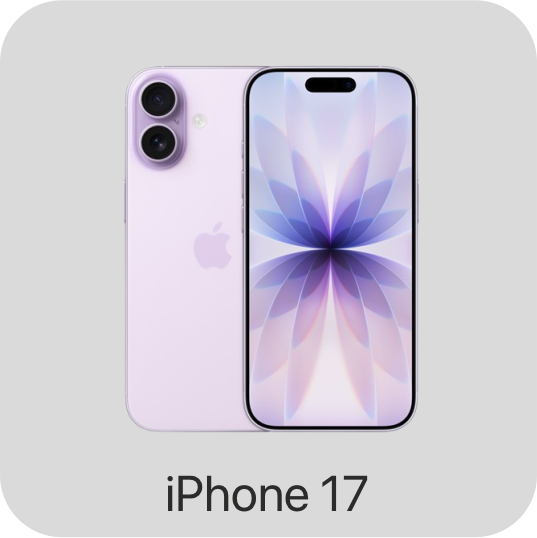
The “standard” iPhone 17 finally received the features users have been missing from entry-level models for years.
The biggest leap occurred in display technology. Apple finally brought 120Hz ProMotion technology and the Always-On Display feature to the standard model. This means scrolling is buttery smooth, and system responsiveness has improved dramatically compared to previous 60Hz panels. The display size remains 6.1 inches, but the bezels have become thinner. Do you need a screen repair?
Under the hood, the A19 Bionic chip is at work. This chip is manufactured using TSMC’s third-generation 3-nanometer (N3P) process, resulting in better energy efficiency. Although it lacks the extra graphics cores of the Pro models, it is more than sufficient for everyday tasks, gaming, and running Apple Intelligence (AI) features. The RAM is 8 GB, which is essential for running local AI models.
The rear camera layout has changed, returning to a vertical (or in some cases horizontal) “island” arrangement to support Spatial Video recording. The main camera remains 48 MP, but the light sensitivity of the ultra-wide lens has improved.
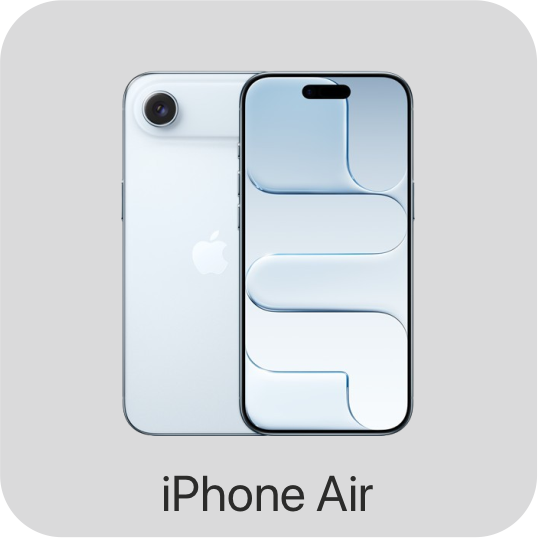
This model is the star of the series, not because of its raw performance, but because of its design. The iPhone 17 Air is Apple’s answer to those who feel phones have become too heavy and thick.
The Air model is drastically thinner than any other iPhone in recent years (approx. 5-6 mm thick). The chassis is made of a titanium and aluminum alloy to remain rigid and prevent bending despite its thinness (avoiding infamous “bendgate” scandals).
Thinness comes at a price. There is no room in the Air model for a massive battery or a complex cooling system.
Camera: The back likely houses a single, highly advanced main camera, or a very compact dual system. The telephoto (zoom) lens is missing.
Battery: Smaller capacity, but due to the efficiency of the A19 chip, it still lasts a full workday.
Target Audience: This phone is not built for gamers or photographers, but for those who prioritize style and portability (“tech-jewelry”).
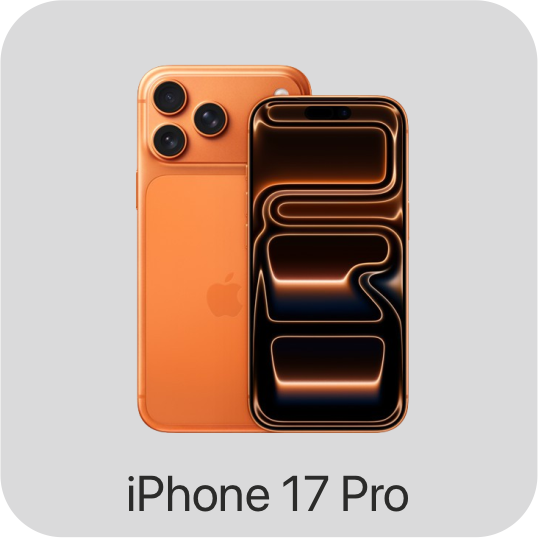
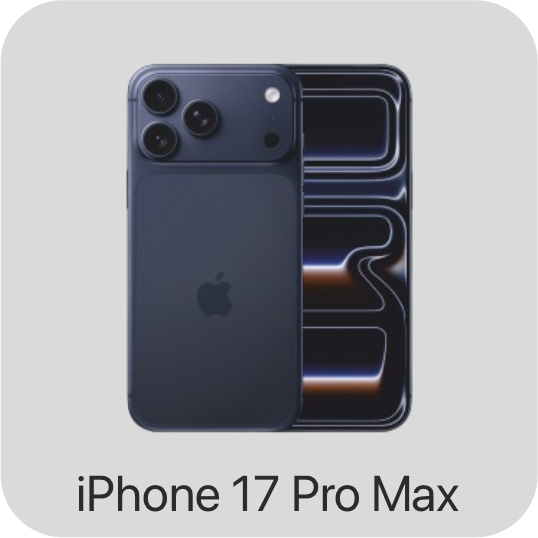
The Pro models continue to be designed for those who want the maximum, without price compromises.
The exclusivity of the Pro models lies in the A19 Pro chip. This processor has been specifically tuned for generative artificial intelligence tasks. The number of Neural Engine cores has increased, and graphics performance enables console-level gaming with Ray Tracing.
The biggest technical leap occurred in memory: Pro models now feature 12 GB of RAM. This is critical for advanced Apple Intelligence features, which run directly on the device without cloud connection, guaranteeing privacy and speed.
The Pro Max display remains massive, around 6.9 inches, while the regular Pro is 6.3 inches. The most important innovation is hiding the Face ID sensors under the display. Although the punch-hole for the selfie camera remains, the size of the “Dynamic Island” has been reduced or even better integrated via software, making content consumption less obstructed. Do you need a screen repair?
The iPhone 17 Pro series camera system represents the peak of mobile photography:
Main Camera: 48 MP with variable aperture (rumored), allowing for better depth-of-field control.
Telephoto: Both Pro models received the 5x (or potentially stronger on the Max) tetraprism zoom. The sensor resolution here has also increased to 48 MP, drastically improving the detail of zoomed images.
Front Camera: The entire series (including the standard 17) received the new 24 MP selfie camera with a 6-element lens system. This is a huge jump from the previous 12 MP, resulting in much sharper video calls and selfies.
The Pro models debut Apple’s proprietary Wi-Fi 7 chip, providing lightning-fast data transfer and lower latency, especially during communication with the Vision Pro headset.
| Feature | iPhone 17 | iPhone 17 Air | iPhone 17 Pro | iPhone 17 Pro Max |
| Display | 6.1″ OLED, 120Hz | 6.6″ OLED, 120Hz | 6.3″ LTPO, 120Hz | 6.9″ LTPO, 120Hz |
| Chip | A19 | A19 | A19 Pro | A19 Pro |
| RAM | 8 GB | 8 GB | 12 GB | 12 GB |
| Rear Camera | Dual (48MP Main + Ultra Wide) | Single/Dual (Design focus) | Triple (48MP all three) | Triple (48MP all three) |
| Front Camera | 24 MP | 24 MP | 24 MP | 24 MP |
| Chassis | Aluminum | Titanium-Alu Alloy | Grade 5 Titanium | Grade 5 Titanium |
| USB-C | USB 2.0 / 3.0 speeds | USB 3.0 | USB 3.2 / Thunderbolt | USB 3.2 / Thunderbolt |
Yes, full steam ahead. Since we are in December 2025 at the time of writing, the iPhone 17 series is the latest model family, and production lines in China, India, and Vietnam are operating at maximum capacity. This series is Apple’s “current lineup.”
As mentioned above, the production of iPhone “Plus” models has ended. The reason is purely economic and market-driven:
Cannibalization: The Plus was too close in price to the Pro model but lagged in features. Those who wanted a big phone and had the money bought the Pro Max. Those who wanted to save chose the standard model.
Boring Position: The Plus was just an “oversized base model” without any particular sex appeal. The new “Air” model, however, has a unique character that appeals to a new demographic (fashion-conscious users).
We cannot discuss the iPhone 17 without mentioning iOS 19 and Apple Intelligence (AI). The 17 series is the first designed from the ground up around generative AI.
Siri 2.0: Siri no longer just executes commands but understands the context of what is on the screen. It can summarize emails, edit photos via voice command, and execute complex task sequences across applications.
Visual Intelligence: The Camera Control button (introduced with iPhone 16 and refined here) provides instant analysis of whatever the phone is pointed at—be it a restaurant’s opening hours or identifying a dog breed.
The iPhone 17 series offers clearer choices than ever before:
Choose the standard iPhone 17 if you are looking for the best price-to-value ratio and finally want to enjoy a 120Hz display without compromises.
Choose the iPhone 17 Air if the phone is a status symbol and accessory for you, you hate carrying heavy bricks in your pocket, and you are not an obsessed photographer.
Choose the iPhone 17 Pro if you need maximum performance and the best camera, but in a size manageable with one hand.
Choose the iPhone 17 Pro Max if you are a “power user,” you work on your phone, edit video, and need the absolute best battery life available.
The iPhone 17 series proves that the smartphone market still holds excitement, especially if manufacturers dare to change established forms, as they did with the Air model.
China has developed the world’s first 6G field test network, which integrates communication and artificial intelligence, demonstrating that 6G transmission capabilities can be achieved using
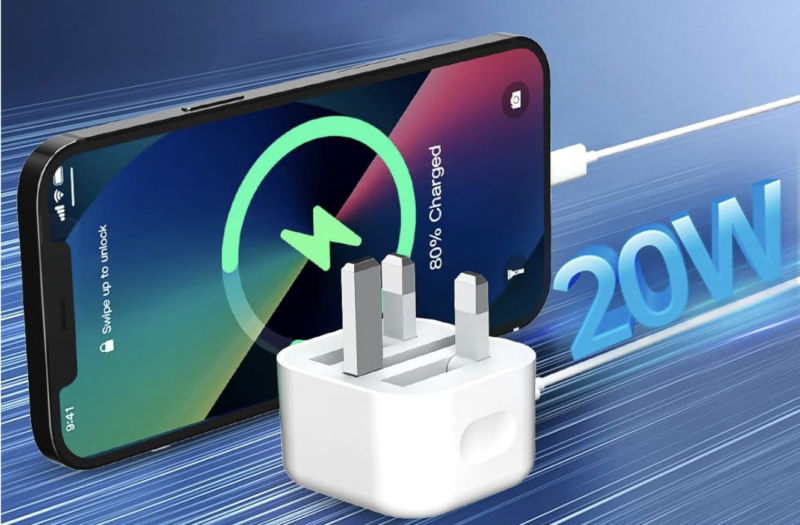
It’s high time for Apple to increase the charging power. There are many reasons to love Apple smartphones, but their charging speed is not one